
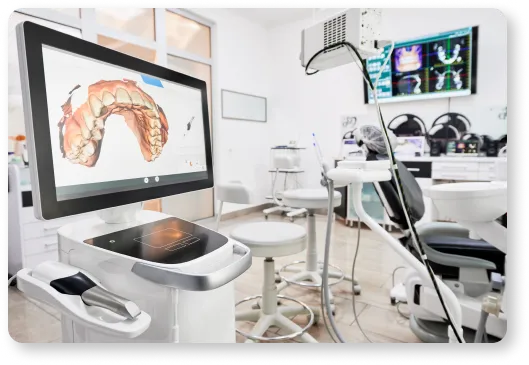
A 3D intraoral scanner makes orthodontic treatment planning cleaner, faster and more precise. Instead of using traditional impression material, this technology captures detailed digital images of your teeth and bite directly in the office. The result is a more comfortable experience for patients and a highly accurate digital model that helps our team plan care with confidence.
Our orthodontist uses 3D intraoral scanning in South Jordan, Utah, to support orthodontic treatment from the very beginning. Digital scans can help with treatment planning for braces, Invisalign® treatment, clear aligners and other orthodontic needs. If you are ready for a more modern impression experience, call 801-446-5548 to schedule a consultation.
A Cleaner Alternative to Traditional Impressions
Many patients remember dental impressions as one of the least comfortable parts of orthodontic care. Impression trays can feel bulky, and the material may be messy or unpleasant for patients with a sensitive gag reflex. A 3D intraoral scanner changes that experience by using a small scanning wand to capture the shape of your teeth and gums.
As the scanner moves through your mouth, it records detailed images that are used to create a digital model of your smile. This model can be viewed, stored and used for treatment planning without the need for physical molds in many cases. The process is typically quick, comfortable and easy to understand because you may be able to see digital images of your teeth as they are captured.
How 3D Orthodontic Scanning Supports Treatment
Orthodontic treatment depends on accuracy. Before teeth can be moved, our orthodontist needs to understand how they are positioned, how they fit together and what changes may be needed to improve alignment. A 3D intraoral scanner provides detailed information that helps support a more personalized plan.
These digital scans may be used to help plan braces, aligner therapy, retainers and other orthodontic appliances. They can also help our team monitor changes over time, compare progress and communicate more clearly about what is happening with your smile. For patients, that can make treatment feel less mysterious and more collaborative.
Benefits of Digital Orthodontic Scanning
3D intraoral scanning offers practical advantages for both patients and the orthodontic team. Benefits may include:
- No messy impression material
- A more comfortable scanning experience
- Detailed digital images of the teeth and bite
- Efficient treatment planning for braces and aligners
- Digital records that are simple to store and reference
- Fewer retakes compared with some traditional impression methods
- A clearer way to explain treatment needs and progress
This technology helps our team gather important information while making the process easier for patients.
What to Expect During a 3D Scan
A 3D scan is simple and noninvasive. During the scan, a small handheld device is moved around your teeth to capture digital images from different angles. You do not need to bite into impression material, and there is no waiting for a physical mold to set.
Our team will guide you through the process and let you know what to expect. The scan may be used as part of your orthodontic consultation, treatment planning visit or appliance design process. If you have questions about what the images show, Dr. Todd Christensen can review the findings with you and explain how they relate to your care.
Precision for Braces, Aligners and Retainers
A detailed digital model can help improve the way orthodontic appliances are planned and created. For patients receiving clear aligners or Invisalign treatment, digital scans can help map out planned tooth movement. For braces patients, scanning can support accurate records and customized treatment planning. For patients who need retainers, a digital scan may help create an appliance designed to fit the current position of the teeth.
This level of detail is especially helpful because small differences in fit can affect comfort and treatment efficiency. By using 3D orthodontic scanning, our team can better understand your smile before recommending the next step.
Technology That Makes Orthodontic Care Easier to Understand
Patients often feel more confident when they can see what our team sees. Digital scanning gives us a visual tool for explaining alignment, spacing, crowding and bite concerns. Rather than relying only on descriptions, we can use the scan to help you understand why treatment may be recommended and what your options may include.
You can also learn more about the tools we use on our orthodontic technology page. Our goal is to make your experience more comfortable, informed and efficient from the beginning.
Frequently Asked Questions About 3D Intraoral Scanners
What is a 3D intraoral scanner?
A 3D intraoral scanner is a digital tool that captures detailed images of your teeth and bite. These images are used to create a digital model of your smile, which can support orthodontic treatment planning, appliance design and progress tracking without relying on traditional impression material in many cases.
Is 3D scanning uncomfortable?
Most patients find 3D intraoral scanning more comfortable than traditional impressions. The scanner uses a small wand to capture images inside the mouth, so there is no bulky tray or messy impression material. Our team will guide you through the process and help you feel comfortable during the scan.
How are digital scans used in orthodontics?
Digital scans can be used to evaluate tooth position, plan braces or aligner treatment, create retainers and monitor orthodontic progress. The scan gives our orthodontist a detailed digital model that can help guide treatment decisions and make explanations easier for patients to understand.
Can a 3D intraoral scanner be used for clear aligners?
Yes. Digital scans are often helpful when planning Invisalign treatment or clear aligners because they provide accurate information about the shape and position of the teeth. Dr. Christensen can use this information to determine whether aligners are appropriate and to support a customized treatment plan.
Do you offer 3D intraoral scanning in South Jordan, UT, and surrounding areas?
Yes. Our orthodontist and team welcome patients interested in 3D intraoral scanning in South Jordan, West Valley City, West Jordan, Sandy, Draper, Riverton, Lehi, American Fork, Alpine, Highland and nearby communities in Utah. Call 801-446-5548 to schedule a visit.
Schedule an Orthodontic Technology Consultation
If you want orthodontic care that starts with a clean, comfortable and highly detailed digital impression process, Christensen Orthodontics can help. Call 801-446-5548 or contact our office today to learn more about 3D intraoral scanning in South Jordan, UT, and schedule an appointment with our orthodontist.

 801-446-5548